Rehabilitation Equipment 101: 7 Essential Tools Every Physical Therapy Clinic Needs in 2026
The landscape of physical rehabilitation has undergone a profound transformation over the preceding decades. What was once a discipline reliant upon rudimentary manual techniques and basic resistive implements has evolved into a sophisticated field characterized by high-precision instrumentation and data-driven methodologies. As the industry progresses into 2026, the dissemination of advanced rehabilitative technologies has facilitated an unprecedented shift in clinical efficacy. For the contemporary healthcare practitioner, outfitting a facility requires a strategic synthesis of foundational mechanical tools and specialized medical systems.
Since its inception in 2001, Caliber Fitness & Medical has remained at the vanguard of this evolutionary arc, serving as a trusted partner for healthcare professionals who demand durability and precision. To maintain a competitive advantage in the modern healthcare market, clinicians must prioritize the acquisition of equipment that supports complex physiological recovery while optimizing facility throughput.
The following synthesis outlines the seven essential categories of rehabilitation equipment that constitute the bedrock of a high-performance physical therapy clinic in 2026.
1. Platform-Mounted Parallel Bars for Gait Transformation
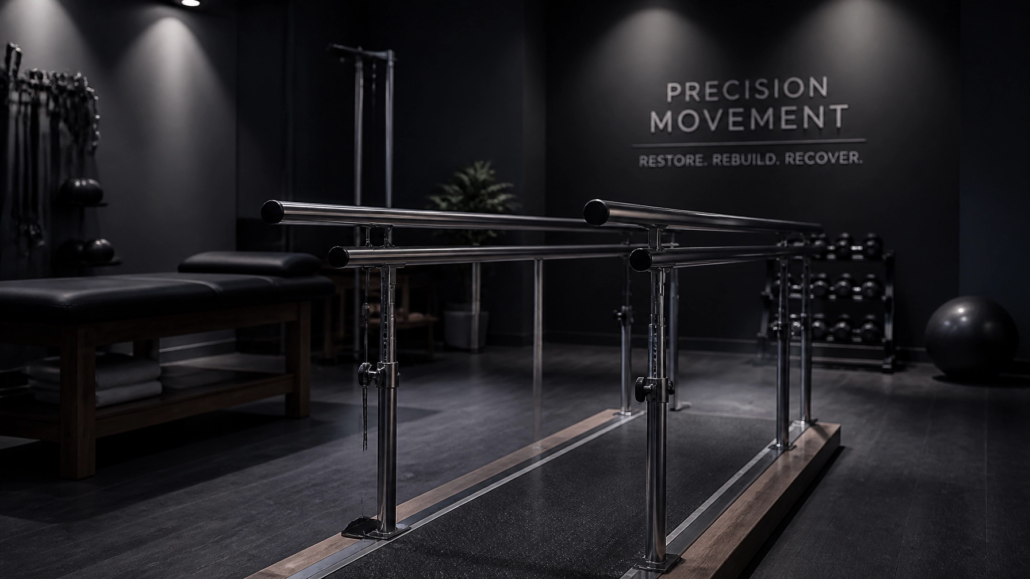
The restoration of ambulatory function remains a primary objective within both neurological and orthopedic rehabilitation. While portable assistive devices provide temporary support, the installation of platform-mounted parallel bars is an absolute necessity for supervised gait training and early-stage weight-bearing exercises.
Modern iterations, such as the zxN8 platform-mounted parallel bars, utilize integrated abductor boards to ensure precise gait alignment. The structural integrity provided by a wooden platform, combined with the versatility of chrome-plated steel rails that adjust in both height and width, allows the clinician to accommodate a diverse patient demographic. This equipment is pivotal for:
- Facilitating safe weight-shifting exercises in post-operative patients.
- Providing a controlled environment for neurological re-education following cerebrovascular accidents.
- Establishing a secure foundation for balance and proprioceptive training.

2. Advanced Hydrotherapy Stations: The Whitehall Whirlpool
The therapeutic application of water, hydrotherapy, continues to be a cornerstone of musculoskeletal recovery, particularly for managing inflammatory responses and facilitating non-weight-bearing movement. The Whitehall Whirlpool Hydrolift Station represents a sophisticated paradigm in mobile hydrotherapy.
These units are engineered from seamless stainless steel and feature high-performance turbines capable of delivering precise localized agitation. The integration of a manual Hydrolift system ensures that the unit can be positioned with anatomical precision, minimizing therapist strain while maximizing patient comfort. This modality is indispensable for:
- Accelerated wound healing and edema reduction via controlled thermal application.
- Improving joint range of motion in patients suffering from severe osteoarthritis.
- Enhancing muscular relaxation through rhythmic mechanical stimulation.

3. High-Precision Hand and Fine Motor Exercisers
Occupational and physical therapy clinics frequently encounter pathologies affecting the distal upper extremities, necessitating tools that provide progressive resistance for the musculature of the hand and forearm. Traditional methods have been superseded by adjustable implements that allow for incremental load management.
The Adjustable Spring Hand Strengthener is a vital component for clinics focusing on orthopedic hand rehabilitation. Featuring removable steel springs, this device permits the clinician to calibrate resistance levels to the specific rehabilitative stage of the patient. Furthermore, foam ball hand exercisers provide a complementary, lower-impact alternative for early-stage neuro-rehabilitation or geriatric strengthening. These tools are critical for:
- Quantifying grip strength progression during the recovery of distal radius fractures.
- Improving fine motor coordination and manual dexterity.
- Developing forearm hypertrophy and endurance in athletic populations.

4. Spinal Decompression and Cervical Traction Systems
The prevalence of cervical and lumbar disc pathologies requires the implementation of non-invasive decompression strategies. A Cervical Traction Unit, often mounted via high-stability door systems or specialized frames, utilizes controlled mechanical tension to alleviate pressure on spinal nerve roots.
Modern traction systems incorporate digital load sensors and spreader bars to ensure the equitable distribution of force, thereby preventing secondary tissue trauma. The clinical significance of this equipment includes:
- Reduction of radicular symptoms associated with cervical disc herniations.
- Improvement in spinal mobility through the separation of vertebral segments.
- Provision of a cost-effective alternative to surgical intervention for specific chronic pain populations.
5. Modular Clinical Storage and Organizational Systems
Operational efficiency within a medical facility is intrinsically linked to the organization of supplies and modular equipment. A chaotic clinical environment not only diminishes professional credibility but also introduces potential hazards during patient transport.
Modular wood storage units, such as 10-cubby or 12-section hubs, are essential for the systematic categorization of therapeutic implements like resistance bands, hot/cold packs, and pediatric supplies. These units are constructed from high-durability birch laminates, ensuring they withstand the rigorous sanitation protocols required in healthcare settings. Benefits include:
- Accelerated retrieval of therapeutic tools, thereby increasing patient face-time.
- Maintenance of a sterile and professional aesthetic.
- Enhanced durability compared to standard commercial-grade cabinetry.

6. Strength Infrastructure: A-Frame Racks and Resistance Weights
While specialized medical modalities are crucial, the foundational principles of progressive overload remain central to physical therapy. A comprehensive clinic must possess a dedicated area for resistance training, supported by an A-Frame Dumbbell Rack to manage free-weight inventory.
The utilization of high-tensile steel racks ensures that heavy resistance tools are stored securely, preventing floor obstruction and facilitating easy access during high-intensity sessions. This infrastructure supports:
- Traditional musculoskeletal hypertrophy and strength development.
- Functional movement training and metabolic conditioning.
- Safe and organized storage of dumbbells and kettlebells.
7. Mobility Training and Patient Transport Solutions
The assessment of mobility and the prescription of assistive devices are fundamental aspects of geriatric and post-trauma care. A clinic must maintain a fleet of high-quality wheelchairs, such as the Drive Medical Cruiser III, for both patient transport and Activities of Daily Living (ADL) training.
These units, characterized by carbon steel frames and adjustable seat depths, allow therapists to instruct patients on safe transfer techniques and independent maneuverability. The integration of such equipment is essential for:
- Conducting standardized mobility assessments.
- Facilitating the safe transit of non-ambulatory patients within the facility.
- Training patients on the utilization of elevating leg rests and flip-back arms for home-based independence.
The Caliber Fitness & Medical Advantage
In an era where the supply chain for medical equipment is often unpredictable, selecting a reliable distributor is as critical as selecting the equipment itself. Caliber Fitness & Medical distinguishes itself through several unique service propositions:
- Decades of Expertise: Operating since 2001, the company possesses an intricate understanding of the evolving needs of the healthcare sector.
- Economic Accessibility: Through competitive pricing and frequent fiscal discounts, Caliber ensures that even small practices can access premium instrumentation.
- Streamlined Logistics: A standardized flat-rate shipping fee of $9.99 applies to all orders, regardless of dimensional weight or quantity, eliminating the complexity of procurement costs.
- Flexible Financing: Partnerships with Klarna and Affirm allow clinic owners to amortize the cost of facility outfitting, preserving operational capital.
Conclusion: A Synthesis of Human Ingenuity and Resilience
The advancement of rehabilitation equipment is a testament to human ingenuity and the relentless pursuit of improved quality of life. As we navigate the complexities of healthcare in 2026, the integration of these seven essential tools will empower clinicians to deliver care that is both precise and compassionate.
Whether you are establishing a new practice in Greenville, SC, or upgrading an existing rehabilitation center, the choice of equipment serves as a definitive statement of your commitment to patient excellence. By partnering with a veteran supplier like Caliber Fitness & Medical, you ensure that your facility is equipped to handle the challenges of tomorrow with the reliability of over twenty years of experience.
For further inquiries regarding clinic outfitting or to view our comprehensive catalog of medical supplies, please contact our administrative offices at 888.827.4472 or visit our official website.