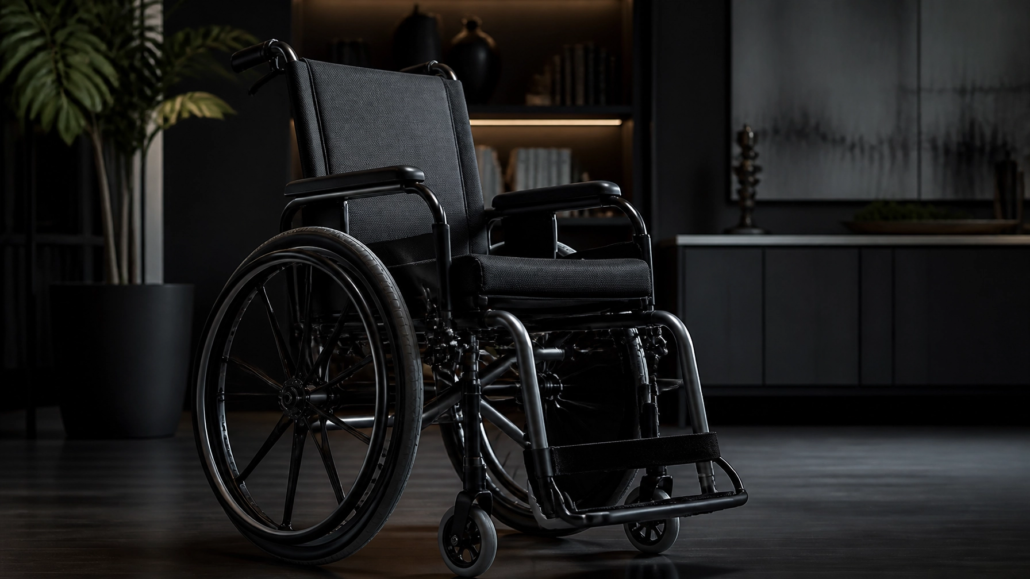
How to Choose the Right Wheelchair for Home Use in 2026: 5 Questions Every Caregiver Must Ask
The evolution of mobility aids represents a profound narrative of human ingenuity and resilience. From the rudimentary wooden constructs of antiquity to the precision-engineered apparatuses of the twenty-first century, the endeavor to preserve individual autonomy through advanced home medical equipment has remained a cornerstone of clinical progress. As we navigate the complexities of 2026, the dissemination of sophisticated technological advancements in wheelchair design has transformed the paradigm of home care.
For the caregiver, the selection of an appropriate mobility device is not merely a purchase; it is a critical scientific evaluation. This guide serves to provide a methodical framework for identifying the optimal solution among the myriad of wheelchairs for sale in the contemporary market, ensuring that the intersection of patient ergonomics and domestic utility is seamlessly achieved.
I. Dimensions and Domestic Integration: Will the Infrastructure Accommodate the Device?
The primary obstacle in the implementation of home mobility solutions is often the physical architecture of the residence itself. Before an acquisition is finalized, a rigorous assessment of the domestic environment is mandatory. Caregivers must determine if the specific dimensions of the mobility aid are compatible with the narrowest passages and thresholds within the household.
- Threshold Clearance: One must measure the narrowest doorway in the home, typically the entrance to sanitary facilities. A clearance margin of at least two centimeters is necessitated for safe navigation.
- Maneuverability Radius: The spatial requirements for a 90-degree or 360-degree rotation must be calculated to prevent the entrapment of the device within corridors.
- Transit vs. Self-Propulsion: While self-propelled models offer greater independence, their larger rear wheels increase the overall width of the unit. Conversely, transit chairs offer a more compact profile for constrained environments.

II. Load-Bearing Capacity and Structural Integrity: Is the Device Engineered for the Specific Physiometry?
The structural resilience of a mobility aid is paramount to ensuring patient safety and device longevity. Each unit possesses a definitive weight capacity that must not be exceeded. Standard models typically accommodate individuals up to 113 kilograms (250 pounds), whereas bariatric variants are engineered for higher thresholds.
- Weight Capacity Margin: It is medically prudent to select a device with a capacity exceeding the user's current mass to account for fluctuations and the weight of additional therapeutic accessories.
- Material Composition: The utilization of carbon steel or high-grade aluminum influences both the durability and the fundamental weight of the chair.
- Long-Term Stability: A superior capacity-to-weight ratio often indicates advanced engineering, providing a stable platform without the burden of unnecessary mass.
III. Portability and the Mechanics of Folding: Can the Caregiver Effectively Manage Transport?
The burden of portability frequently rests upon the caregiver. Consequently, the mechanics of folding and the total transport weight are vital considerations for those frequently utilizing vehicular transport.
While the total weight of the device is important, the "transport weight": defined as the mass of the unit once removable components such as footrests are detached: is the critical metric for physical handling. For routine car loading, it is recommended that the heaviest individual component remain below 10 kilograms. Modern mobility aids in 2026 often utilize sophisticated cross-brace mechanisms that facilitate rapid collapse for storage in automotive trunks or confined spaces.

IV. Ergonomics and the User-Interface: Does the Design Support Physiological Health?
Prolonged sedentary periods necessitate a device that adheres to the principles of anatomical ergonomics. Failure to provide adequate postural support can lead to the development of pressure injuries and musculoskeletal degradation.
- Seat Depth Customization: The distance between the posterior and the popliteal fold must be precisely calibrated to avoid circulatory restriction.
- Upholstery Material: Durable, breathable materials such as high-density nylon are preferred for their ease of sanitation and thermal regulation.
- Pressure Redistribution: The integration of specialized cushions is often a clinical requirement for users with limited mobility to mitigate the risk of skin breakdown.
V. Technical Versatility: The Drive Medical Cruiser III Paradigm
In the realm of high-quality medical supplies, the Drive Medical Cruiser III serves as an exemplary model of technical versatility and durability. This specific unit embodies the transformation of manual mobility through several distinct features that address the five questions every caregiver must ask.

The Cruiser III is distinguished by its dual-axle design, which allows for the transition between standard and hemi-height configurations, facilitating foot-propulsion when necessary. Its carbon steel frame, finished in silver vein, provides unprecedented durability while maintaining a weight profile that supports portability. Furthermore, the inclusion of flip-back, removable arms allows for seamless lateral transfers, a critical feature for maintaining the dignity and safety of both the patient and the caregiver during daily transitions.
Comprehensive Measurement Synthesis
To ensure the dissemination of precise information, caregivers should adhere to the following measurement protocol prior to procurement:
- Hips/Thighs: Measure the widest horizontal point when the individual is seated and add approximately 2.5 to 5 centimeters.
- Seat Height: Calculate the distance from the heel to the popliteal fold, adjusting for the thickness of the intended cushion.
- Back Height: Determine the level of trunk support required, typically terminating just below the scapula for active users.

Future Projections and Clinical Optimism
The trajectory of mobility technology suggests a future where the integration of lightweight carbon-fiber composites and smart-sensor arrays will further refine the user experience. However, the fundamental principles of fit, safety, and domestic compatibility remain the bedrock of effective care.
At Caliber Fitness & Medical, our commitment to providing durable, precise medical supplies remains steadfast. Having served as a trusted partner since 2001, we recognize the profound impact that the correct equipment has on the quality of life. Our competitive pricing and flat-rate shipping model are designed to alleviate the logistical burdens faced by caregivers, allowing them to focus on the essential task of patient support.
Conclusion
The selection of a wheelchair for home use is a critical intervention that requires an objective analysis of physical, environmental, and ergonomic variables. By addressing the five inquiries outlined: dimensions, capacity, portability, ergonomics, and technical versatility: caregivers can secure a mobility aid that truly supports human ingenuity and resilience. Whether selecting the versatile Drive Medical Cruiser III or another high-caliber option, the goal remains the same: the preservation of independence through scientific precision.